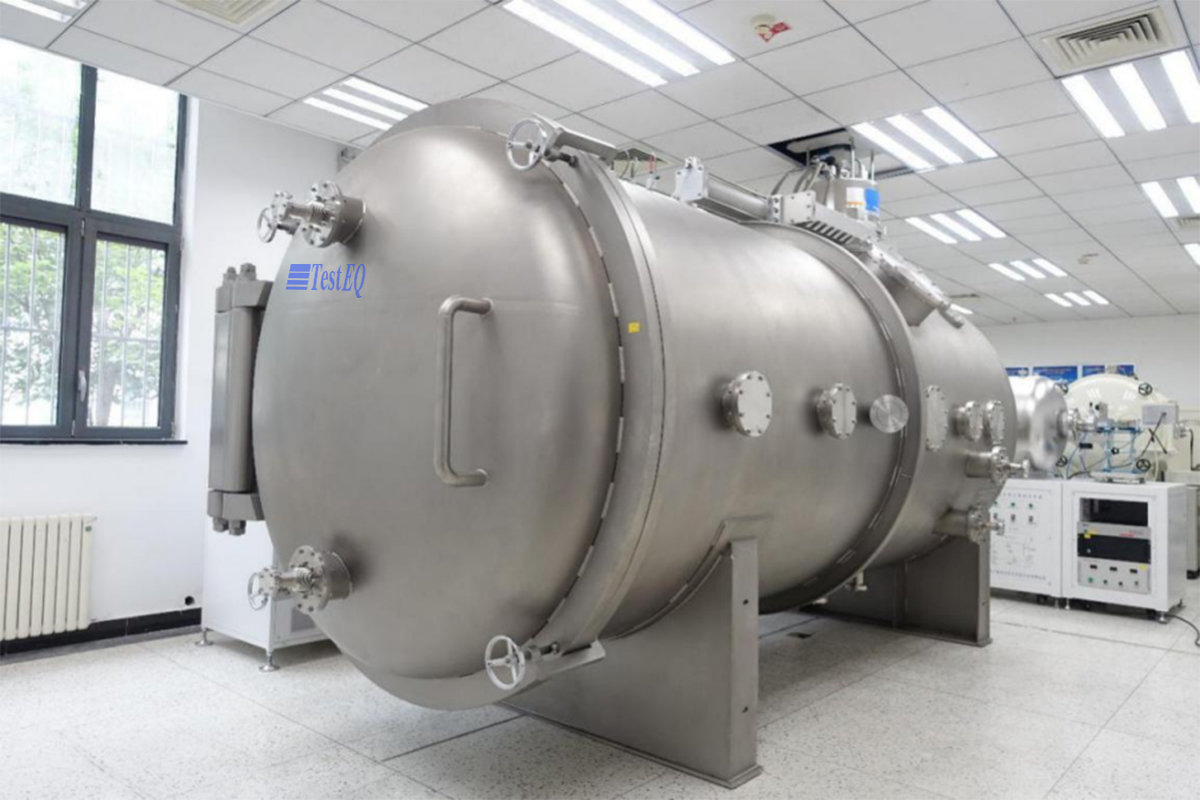
What Is JEDEC JESD22 Thermal Cycle Testing?
JEDEC thermal cycle testing evaluates the reliability of semiconductor devices and electronic packages under repeated temperature changes. The JESD22 series includes standardized reliability test methods, with JESD22-A104 commonly used for temperature cycling and JESD22-A106 associated with thermal shock testing.
The appropriate method depends on the device, package construction, qualification objective, applicable standard revision, and customer requirements. Engineers should define the test conditions before selecting a chamber, including temperature limits, transition requirements, dwell conditions, cycle count, specimen configuration, and acceptance criteria.
For equipment procurement, the key is to match the chamber's verified performance to the required test profile—not simply to select the widest temperature range or the highest advertised ramp rate.
What Are JEDEC Thermal Cycling Standards?
JEDEC develops standards used by the semiconductor and electronics industries to establish consistent methods for device characterization, reliability evaluation, and qualification.
Thermal cycling is important because semiconductor packages contain materials with different coefficients of thermal expansion. Repeated temperature changes can create mechanical stress at interfaces such as solder joints, package materials, substrates, and interconnections.
Depending on the device construction and test conditions, these stresses may contribute to solder fatigue, cracking, delamination, or electrical discontinuities.
JEDEC reliability testing is not limited to one thermal method. Different test methods address different stress mechanisms, and the applicable method must be selected according to the qualification plan.
For temperature-related testing, engineers commonly need to distinguish between:
• Temperature cycling: Repeated exposure to defined high- and low-temperature conditions using a specified transition profile.
• Thermal shock: Exposure to rapid temperature changes under the conditions defined by the applicable test method.
• Moisture-related testing: Evaluation of moisture sensitivity, corrosion, or related reliability mechanisms using the applicable humidity or moisture test method.
• High-temperature operating tests: Evaluation of device behavior under defined temperature and operating conditions.
These methods are not interchangeable. Passing one test does not automatically demonstrate compliance with another.
JESD22-A104 vs. JESD22-A106: Which Method Should You Evaluate?
JESD22-A104 and JESD22-A106 are both associated with semiconductor reliability testing, but they address different thermal exposure approaches.
Engineering Consideration | JESD22-A104 | JESD22-A106 |
|---|---|---|
Test Focus | Temperature cycling | Thermal shock |
Environmental Exposure | Repeated temperature cycles under specified test conditions | Rapid temperature changes using the specified test arrangement |
Main Engineering Concern | Thermomechanical stress accumulated over repeated cycles | Device response to rapid thermal transitions |
Typical Evaluation Questions | Can the device withstand the specified repeated temperature exposure? | Can the device withstand the specified rapid temperature changes? |
Equipment Selection Priority | Temperature range, transition performance, dwell control, temperature uniformity, and repeatability | Required transfer or transition arrangement, temperature extremes, exposure control, and repeatability |
Selection Basis | Applicable standard, device requirements, and qualification plan | Applicable standard, device requirements, and qualification plan |
The table provides a high-level comparison, not a substitute for the current normative documents. Engineers should verify the applicable revision and detailed procedure before defining a test program.
A thermal cycling chamber should not be assumed to perform a thermal shock test merely because it can reach the same minimum and maximum temperatures. The equipment must be capable of reproducing the required exposure method.
How JEDEC Thermal Cycling Fits Into Semiconductor Qualification
Thermal cycling is one part of a broader semiconductor reliability and qualification strategy.
The test may be relevant to:
• Integrated circuit packages
• Ball grid array (BGA) and other advanced package formats
• Power semiconductor devices
• Automotive electronic components
• Electronic assemblies with solder interconnections
• Devices intended for demanding temperature environments
The exact qualification requirements depend on the device category and the applicable industry or customer specification.
For automotive integrated circuits, AEC-Q100 provides a separate qualification framework that includes defined stress tests. JESD22-A104 may be relevant to the applicable qualification requirements, but engineers should consult the current AEC-Q100 revision and the relevant test conditions rather than assuming that all JEDEC conditions automatically apply.
For broader environmental testing of electronic and industrial products, IEC 60068-2-14 addresses temperature change testing. Its purpose and procedures should be evaluated separately from the requirements of a semiconductor-specific JEDEC method.
Selecting the Appropriate Standard
A practical starting point is to identify the product and qualification context.
Semiconductor device qualification: Review the applicable JEDEC method and customer qualification specification.
Automotive integrated circuits: Review AEC-Q100 alongside the applicable temperature cycling method.
General electronic equipment: Evaluate whether IEC 60068-2-14 or another product-specific standard is required.
Rapid temperature transition or thermal shock: Confirm whether the specified method requires a thermal cycling chamber, a dedicated thermal shock chamber, or another test arrangement.
The correct choice is determined by the test requirement, not by the name of the available equipment.
Which Parameters Matter in a JEDEC Thermal Cycling Test?
Thermal cycling performance cannot be evaluated from a single temperature-range specification.
Before testing, engineers should establish the complete test profile and define how compliance will be assessed.
Minimum and Maximum Temperature
The temperature limits must match the applicable test condition.
The chamber should be capable of reaching the required extremes with the actual specimen load, fixtures, and operating configuration. A chamber's unloaded temperature range may not represent its performance under the intended test load.
Temperature Transition Requirements
Transition requirements determine how the chamber moves between temperature setpoints.
The required profile may specify a transition duration, a temperature-change rate, or another defined condition. These requirements should be interpreted according to the applicable standard and its measurement method.
A manufacturer's advertised maximum ramp rate should not be treated as proof that the chamber meets every required profile.
Dwell Conditions
Dwell conditions determine how long the test specimen remains at the specified environmental extremes.
The test plan should clarify how dwell is defined and whether it is based on chamber air temperature, specimen temperature, or another specified measurement criterion.
The relevant definition must follow the applicable test method.
Cycle Count and Test Duration
Cycle count is determined by the qualification requirement and test objective.
For long-duration testing, engineers should evaluate the expected total operating time, automated cycle control, alarm handling, data retention, and maintenance access.
A high cycle count does not automatically mean that a test is more appropriate. The cycle requirement must come from the approved test plan.
Temperature Uniformity and Stability
Temperature uniformity describes spatial temperature differences across the specified test area, while stability describes temperature variation over time under defined conditions.
Both can influence test consistency.
The chamber specification should state the measurement method, applicable conditions, and acceptance limits. A single quoted accuracy value does not necessarily describe the complete temperature performance of the system.
Specimen Configuration and Loading
The mass, dimensions, thermal characteristics, mounting arrangement, and quantity of the devices being tested can affect the chamber's actual performance.
Fixtures and sample holders should be considered during chamber selection. If a qualification test requires a particular mounting or electrical connection arrangement, this must be incorporated into the equipment design.
Monitoring and Test Records
A repeatable test requires traceable records of the environmental exposure and the relevant device measurements.
Depending on the test program, documentation may include:
• Test identification and specimen information
• Standard designation and revision
• Temperature setpoints and measured conditions
• Cycle progress and timestamps
• Alarm events and interruptions
• Specimen electrical measurements
• Failure observations and inspection results
• Deviations from the approved procedure
The test laboratory should define the required records before the equipment is purchased.
What Failures Can Thermal Cycling Help Identify?
Repeated temperature changes can produce mechanical stress at interfaces between materials with different thermal expansion characteristics.
Depending on the package and assembly, potential failure mechanisms include:
Solder joint fatigue: Repeated thermomechanical loading can contribute to cracking or loss of electrical continuity.
Package cracking: Temperature-induced stress may contribute to cracks in susceptible package structures.
Interfacial delamination: Material interfaces may separate under certain combinations of stress, temperature, and material properties.
Interconnection failures: Wire bonds, terminals, and other interconnections may be affected by repeated mechanical stress.
Electrical discontinuities: A physical defect may cause intermittent or permanent changes in electrical performance.
These mechanisms are possible outcomes, not guaranteed findings in every test. Failure analysis should combine the environmental exposure record with electrical measurements and appropriate physical inspection.
Why Thermal Cycle Testing Is Critical for Semiconductor Reliability:
Thermal expansion mismatch between different materials (silicon, copper, epoxy) creates mechanical stress during temperature changes. Over time, this stress leads to:
Solder joint fatigue
Wire bond failure
Delamination
Microcracks in packaging
Thermal cycle testing helps engineers predict these failures before products reach the market.
Key Benefits:
Improved Product Reliability
Identify weak points early in the design phaseReduced Warranty Risk
Prevent costly field failuresFaster Certification
Meet JEDEC, IEC, and MIL standards efficientlyBetter Supplier Qualification
Enable procurement teams to compare component durability
How to Select a Thermal Cycling Chamber for JEDEC Testing
Equipment selection should begin with the applicable test specification and then move to the chamber's verified capabilities.
Temperature Range and Loaded Performance
Confirm that the chamber can reach the required extremes under the intended loading conditions.
Ask the supplier to identify the conditions under which its published performance data were measured.
Transition Performance
Specify the required transition profile and ask for evidence that the chamber can achieve it under the agreed operating conditions.
Where linear ramp rate is required, confirm how the rate is measured and over which temperature interval.
Temperature Distribution
Review the specified temperature uniformity and the measurement method used to establish it.
For semiconductor testing, the usable test volume and specimen arrangement are important when determining whether the chamber's performance is suitable.
Long-Duration Operation
If the program requires many cycles over an extended period, evaluate:
• Control-system reliability
• Automatic program recovery and alarm handling
• Refrigeration system serviceability
• Maintenance access
• Spare-parts availability
• Data logging and export
• Technical support arrangements
Specimen Fixtures and Electrical Connections
Confirm the available space, fixture design, cable routing, and any required feedthroughs or monitoring interfaces.
For powered or electrically monitored specimens, ensure that the complete configuration is compatible with the test procedure.
Documentation and Acceptance
The purchase specification should identify the applicable standard and revision, required test conditions, performance criteria, verification method, and acceptance documentation.
This helps engineering and procurement teams compare quotations on a consistent basis.
JEDEC Thermal Cycling Chamber Procurement Checklist
Use the following checklist before issuing a request for quotation.
Test definition
• Applicable JEDEC method and revision
• Customer or qualification specification
• Required temperature limits
• Transition profile
• Dwell conditions
• Required cycle count
• Specimen configuration
• Acceptance criteria
Equipment performance
• Temperature range under load
• Transition performance under agreed conditions
• Temperature uniformity and stability
• Usable workspace and fixture clearance
• Automatic cycling and alarm functions
• Long-duration operation capability
• Monitoring and data export
Project implementation
• Laboratory space and utilities
• Installation requirements
• Training and operating documentation
• Verification and acceptance plan
• Maintenance and service arrangements
• Warranty and spare-parts support
A complete specification reduces uncertainty during supplier evaluation and helps ensure that the proposed equipment matches the actual qualification program.
TestEQ Thermal Cycling Solutions for JESD22 Compliance
TestEQ provides advanced thermal cycling test chambers designed specifically for semiconductor reliability testing.
Why Engineers and Labs Choose TestEQ:
Wide temperature range: -70°C to +180°C
High ramp rates for flexible testing conditions
Excellent temperature uniformity and stability
Fully programmable control systems
Compliance with JEDEC, IEC, and MIL standards
TestEQ systems are widely used in:
Semiconductor manufacturing
Automotive electronics testing
Aerospace and defense labs
Third-party reliability testing laboratories
For procurement teams, TestEQ offers a strong balance of performance, cost-efficiency, and long-term reliability, making it a competitive alternative to international brands.
How TestEQ Supports Thermal Cycling Applications
TestEQ designs and manufactures environmental test chambers for temperature cycling, rapid temperature change, and other reliability testing applications.
For a JEDEC-related project, the appropriate configuration should be selected according to the required temperature profile, specimen loading, transition conditions, test duration, monitoring needs, and laboratory constraints.
Depending on the application, engineering discussions can cover:
• Required chamber temperature range
• Temperature transition capability
• Chamber workspace and specimen fixtures
• Control and automated cycling
• Temperature monitoring and data recording
• Long-duration operating requirements
• Installation and acceptance criteria
Published chamber specifications should be evaluated against the actual test conditions. The final configuration should be confirmed through a project-specific technical review.
Conclusion: Ensuring Reliability with JESD22 Thermal Cycling:
JEDEC JESD22 thermal cycle testing is a cornerstone of semiconductor reliability validation. By simulating real-world temperature fluctuations, it allows engineers to detect failures early, improve product design, and ensure long-term performance.
For companies aiming to meet global standards and reduce risk, investing in a high-performance thermal cycling test chamber is essential.
Frequently Asked Questions
1.What is the JEDEC standard for temperature cycling?
JESD22-A104 is a commonly used JEDEC method for semiconductor temperature cycling. The applicable revision, conditions, and qualification requirements should be verified for the specific device and test program.
2.What is the difference between JESD22-A104 and JESD22-A106?
JESD22-A104 addresses temperature cycling, while JESD22-A106 addresses thermal shock. The required environmental exposure and equipment arrangement should be confirmed from the applicable normative documents.
3.Is JEDEC thermal cycling the same as IEC 60068-2-14?
No. Both relate to temperature-related environmental testing, but their scopes, procedures, and applicability differ. Select the method required by the product specification or qualification plan.
4.Does AEC-Q100 use temperature cycling?
AEC-Q100 includes stress-test requirements for automotive integrated circuit qualification. Engineers should consult the applicable revision to determine the required temperature cycling conditions and any related qualification criteria.
5.What chamber temperature range is required for JEDEC testing?
There is no single temperature range that applies to every JEDEC-related test. The required limits depend on the selected method, test condition, device, and qualification specification.
6.Is a high ramp rate always better?
No. The chamber must reproduce the specified transition profile. A higher advertised ramp rate is not automatically beneficial if it does not match the test requirement or cannot be achieved under the actual specimen load.
7.How many temperature cycles are required?
The cycle count depends on the applicable test method, device qualification requirements, and customer specification. It should be established from the approved test plan rather than selected solely from a generic industry example.
8.How can I select the right chamber for semiconductor reliability testing?
Start with the applicable standard and test profile. Then compare temperature range, transition performance, uniformity, specimen loading, fixtures, automated control, data recording, and long-duration operating capability.
Internal Linking Module
Recommended Equipment
Designed for high-acceleration reliability testing and ESS (Environmental Stress Screening), this thermal cycling chamber supports rapid temperature change rates up to 25°C/min. It is widely used in automotive electronics, aerospace components, and semiconductor reliability validation to detect early-life failures under extreme thermal stress conditions.
A comprehensive guide covering rapid thermal cycling chamber design, performance parameters, and test standards. It helps engineers understand how fast ramp-rate thermal cycling systems improve product reliability screening efficiency and meet industry qualification requirements for electronics and battery testing.
Related JEDEC Standards
Description: Compare semiconductor reliability qualification methods and identify the applicable standard for your device and test objectives.
Review the specific temperature cycling test conditions, test procedures, device applicability and parameter verification requirements.
IEC 60068-2-14 defines thermal cycling test procedures used to evaluate how components and assemblies withstand repeated temperature changes. It specifies temperature limits, dwell time, transition rates, and test severity levels for electronics, automotive, and industrial equipment reliability validation.
AEC-Q100 is a key qualification standard for automotive integrated circuits, focusing on temperature cycling stress tests to ensure semiconductor reliability under harsh automotive operating environments. It is widely adopted by IC manufacturers and Tier-1 automotive suppliers.
Recommended Resources
This resource explains how JEDEC standards are applied in semiconductor reliability testing using environmental test chambers. It covers thermal cycling, HAST, and failure analysis methods used in IC qualification and production screening.
A technical comparison between thermal cycling and thermal shock testing, explaining differences in ramp rates, stress mechanisms, applications, and test objectives. This guide helps engineers select the correct environmental testing method for product validation and reliability assurance.
CTA
Request a Thermal Cycling Chamber Engineering Review
Selecting a thermal cycling chamber for semiconductor reliability testing requires more than matching a temperature range. The equipment must reproduce the required test profile under the intended specimen loading and operating conditions.
TestEQ can review your application requirements and discuss a customized chamber configuration for JEDEC-related thermal cycling and other environmental reliability tests.
To support an initial technical assessment, please provide:
• Device or specimen type and dimensions
• Applicable JEDEC method and revision
• Required minimum and maximum temperatures
• Transition and dwell requirements
• Cycle count and expected operating duration
• Specimen fixtures and electrical monitoring needs
• Required temperature uniformity and verification criteria
• Laboratory installation constraints
Request a Technical Proposal from TestEQ
"Contact TestEQ" to discuss your thermal cycling application and request an equipment configuration based on your test requirements.
Need help matching a test standard to chamber performance?
Share your test specification with our engineering team to discuss the required operating profile, verification approach, and chamber configuration.